.cross-processing (pt. I)
I wrote an article years ago which was published in photography magazines in the Netherlands and Finland. It was well before the time when cameras would do in-camera HDR. This was right around that time when everyone had Photoshop (Elements). They found the saturation function and started going all wild with cranking up the saturation until all details had disappeared. At the same time they’d yank the hue slider back and forth. The results were images of buildings or landscapes with neon green grass, neon yellow bricks and purple skies. And they would call it HDR. A new trend was born.
Cross-processing does not equal high dynamic range
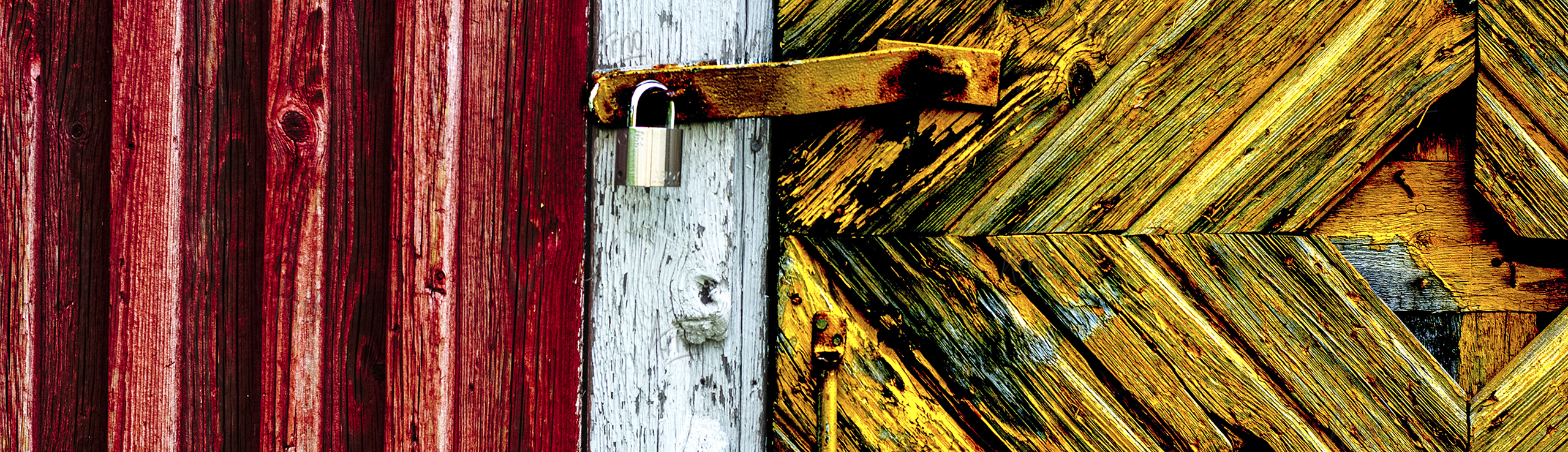
The article I wrote was about the differences between HDR and cross-processing. The latter being—basically—what all these people digitally did what I described above here. It’s a term stemming from the old film days, where developers (film developers, mind you)—intentionally or unintentionally—would screw up the chemicals with which the exposed photo paper was developed, creating funky colours and contrasts. The image below is also cross-processed, be it digitally. It’s not in the way overboard manner you often see, but as you can see from the before/after, it IS much more than what HDR would do. Actually, HDR for this image would be entirely unnecessary, considering the fact that nothing in this image in terms of lighting conditions, fell outside of the reach of the camera’s sensor.
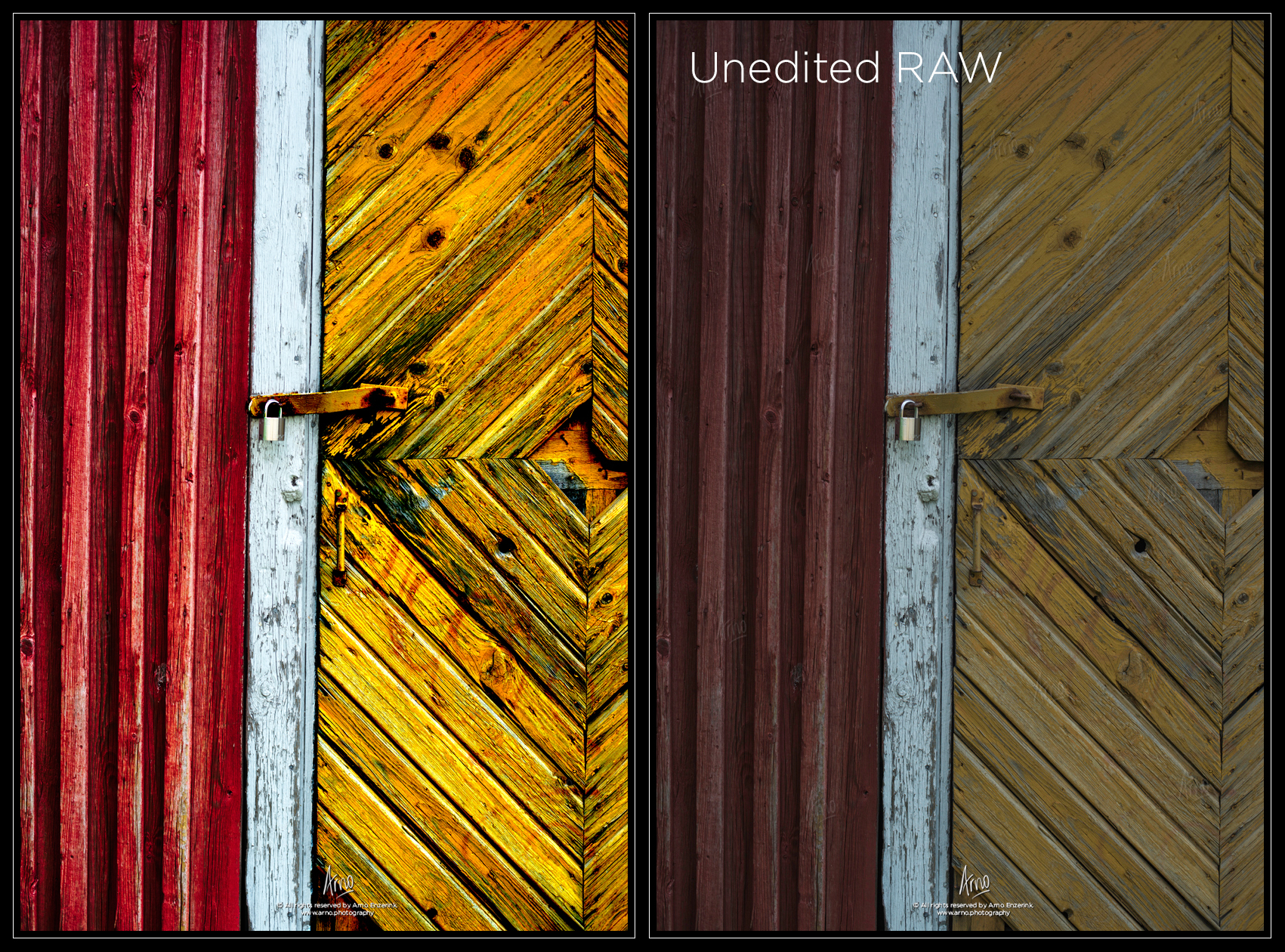
More cross-processed images you can find in the Fine Arts section here. Over time I will add more posts here with the before and after versions of the images in the gallery. All images are available as prints.